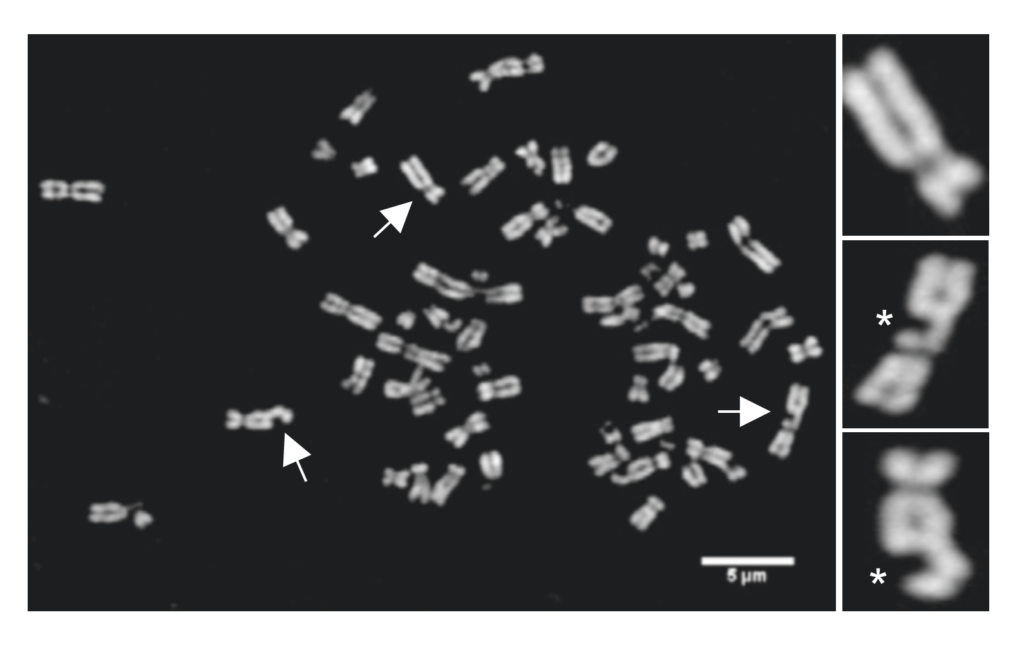
The process of DNA replication is the biggest threat for genome stability in all proliferating cells. Cancer cells in particular are subjected to replication stress after activation of proto-oncogenes into their oncogenic forms or due to deficiency in specific factors required for genome duplication. Thus aberrant DNA replication contributes to initiating and maintaining the cancerous state, while drugs targeting DNA synthesis have potent antitumor activity and are key component of current and novel chemotherapeutic regimens.
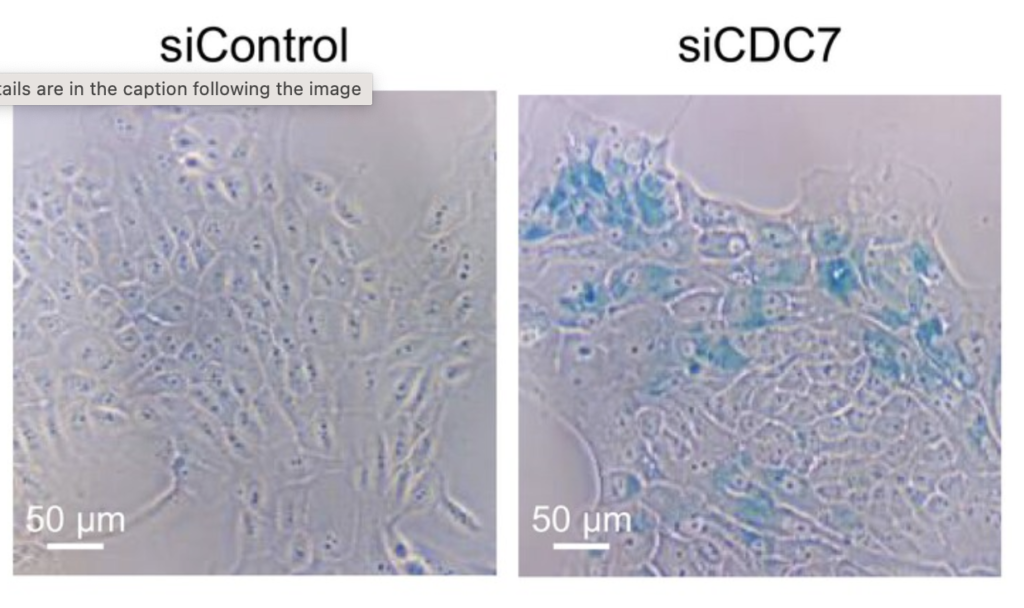
Our laboratory is studying the mechanisms that regulate genome replication in human cells with particular emphasis on the Cell Division Cycle 7 kinase (CDC7). CDC7 acts as a molecular switch for DNA synthesis at origins of replication by phosphorylating several subunits of the core component of the replicative DNA helicase, the MCM2-7 complex. It also controls the the speed and processing of replication forks through the MRE11 nuclease.
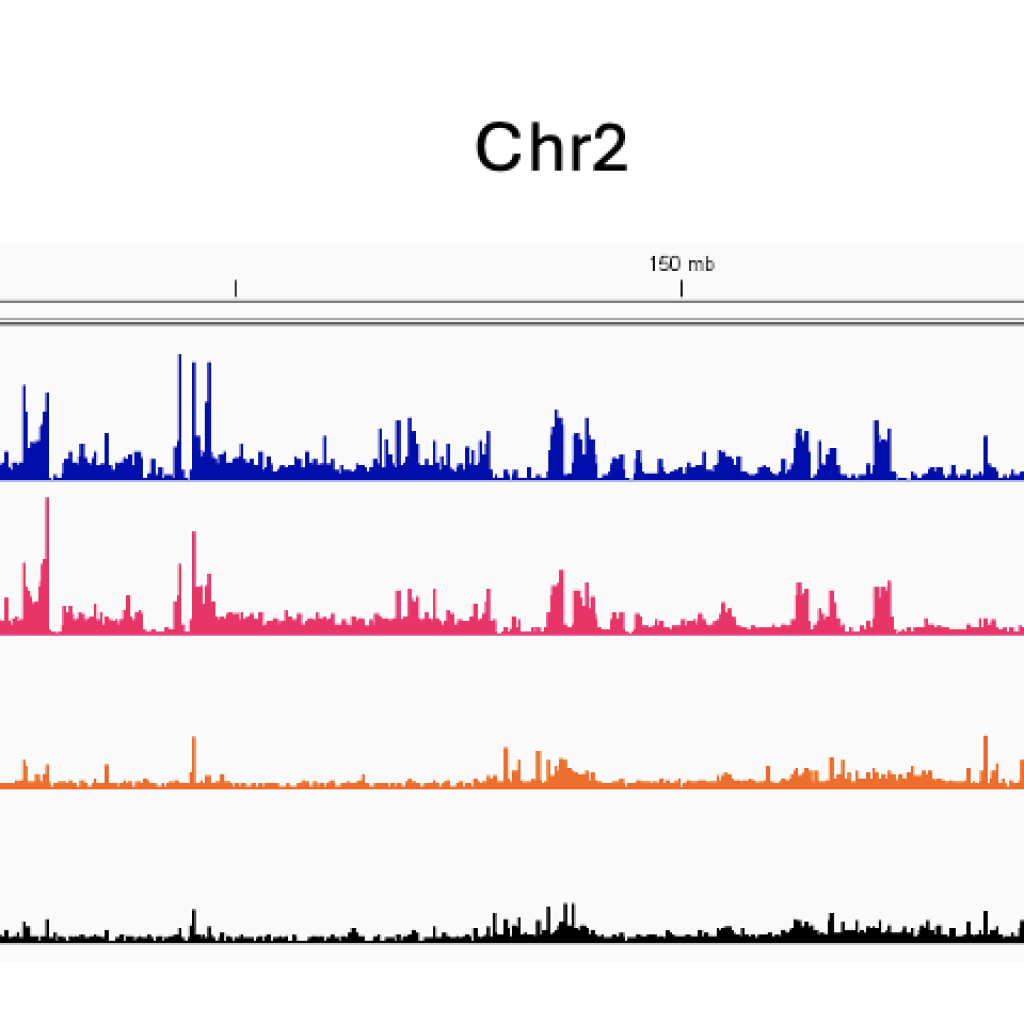
We apply modern techniques of Molecular and Cellular Biology as well Chemical Biology and Genomics approaches to reveal how cells duplicate their DNA and to understand cellular responses when this process is perturbed by either intrinsic or extrinsic factors.